
Understanding Flooring Before You Choose a Material

Choosing new flooring is one of those home improvement decisions that looks simple at first, but quickly becomes more detailed once you start comparing materials, rooms, durability, moisture, maintenance, and long-term performance.
For many homeowners, the first question is usually, “What type of floor should I choose?” That is a good place to start, but it is not the only question that matters.
The better question is, “What flooring works best for my home, my lifestyle, my rooms, and the way the space is used every day?”
Flooring affects how a home looks, feels, functions, and ages. It impacts comfort, cleaning, resale perception, noise, safety, and even how open or connected a room feels. A beautiful floor can make a home feel updated, clean, and intentional. The wrong floor can create maintenance headaches, moisture problems, scratches, gaps, or early replacement needs.
That is why a good flooring decision should consider more than appearance. It should include flooring material, subfloor condition, room usage, moisture exposure, traffic level, installation method, and ongoing care.
For homeowners in 2026, the best flooring choice is usually not about picking the most popular material. It is about choosing the material that fits the property, the environment, and the daily routine.
What Is Flooring?
Flooring refers to the finished surface installed over a subfloor to create a usable walking surface inside a home or commercial property. It can be made from wood, vinyl, laminate, tile, stone, carpet, concrete, or other materials.
In residential spaces, flooring is both functional and decorative. It protects the structure below, supports daily movement, and helps define the style of each room.
In simple terms, flooring is the layer you see and walk on, but the success of that layer depends heavily on what is underneath it.
A floor system may include:
Subfloor, the structural base beneath the finished floor
Underlayment, a layer used for support, sound control, or moisture protection
Finished flooring, the visible material such as hardwood, LVP, laminate, or tile
Trim and transitions, the pieces that create clean edges between rooms
When all of these elements work together, the floor feels stable, looks finished, and performs well over time.
Why Flooring Matters in a Home
Flooring is one of the largest visible surfaces in a home. It connects rooms, influences design style, and affects how people experience the space.
A new floor can make an older home feel cleaner, brighter, warmer, or more modern. It can also solve practical issues like damaged boards, uneven surfaces, worn finishes, outdated materials, or flooring that no longer fits the homeowner’s lifestyle.
The right flooring can help with:
Durability in high-traffic areas
Moisture resistance in kitchens, bathrooms, basements, and laundry rooms
Comfort in bedrooms and living spaces
Design consistency throughout open layouts
Home value perception during remodeling or resale
Daily maintenance for families, pets, and busy households
A flooring project is not only about replacing an old surface. It is about improving how the home functions every day.
Main Types of Flooring Homeowners Should Know
There are many flooring materials available, but most residential projects fall into a few major categories. Each one has a different purpose, appearance, installation method, and maintenance profile.
Understanding these categories helps homeowners compare options with more confidence.
| Flooring Type | Best For | Main Strength | Important Consideration |
|---|---|---|---|
| Hardwood Flooring | Living rooms, dining rooms, bedrooms, main levels | Natural beauty and long-term value | Sensitive to moisture and humidity |
| Luxury Vinyl Plank | Kitchens, basements, bathrooms, busy homes | Water resistance and durability | Quality depends on product thickness and wear layer |
| Laminate Flooring | Bedrooms, living areas, rentals, budget-conscious updates | Scratch resistance and wood-look design | Not all laminate is waterproof |
| Ceramic Tile | Bathrooms, kitchens, entryways, laundry rooms | Moisture resistance and durability | Requires proper surface preparation |
| Hardwood Refinishing | Existing hardwood floors | Restores natural wood without full replacement | Depends on floor thickness and condition |
| Floor Replacement | Damaged, outdated, or failing floors | Complete transformation | Requires inspection of the subfloor |
Each material has a place. A good flooring plan matches the material to the room, not just to the design preference.
Hardwood Flooring: Natural, Durable, and Timeless
Hardwood flooring is one of the most recognized flooring options in American homes. It is valued for its natural grain, warmth, durability, and classic appearance.
Hardwood works especially well in living rooms, dining rooms, bedrooms, hallways, and main living areas where homeowners want a premium look.
There are two main types of hardwood flooring: solid hardwood and engineered hardwood.
Solid hardwood is made from one piece of natural wood. Engineered hardwood has a real wood surface layer over a layered core. Both can look beautiful, but they perform differently depending on moisture, installation method, and room conditions.
Hardwood flooring is often chosen because it can feel permanent and high-end. It also offers the possibility of hardwood refinishing, depending on the floor type and wear layer.
However, hardwood is not the best fit for every room. Areas with frequent moisture, standing water, or large humidity swings may require a different material or extra planning.
Luxury Vinyl Plank: A Practical Choice for Modern Homes
Luxury vinyl plank, often called LVP, has become one of the most popular flooring materials for homeowners who want durability, water resistance, and a wood-look design.
LVP is commonly used in kitchens, basements, bathrooms, laundry rooms, rental properties, and busy family homes. It can offer the appearance of wood while handling moisture better than many natural materials.
In 2026, many homeowners are drawn to LVP because it balances style and practicality. It is available in many colors, plank widths, textures, and finishes.
Important LVP terms include:
Wear layer, the protective top layer that helps resist scratches and daily wear
Core type, such as SPC or WPC, which affects stability and feel
Floating installation, where planks lock together without being glued down
Glue-down installation, often used in certain commercial or high-traffic settings
LVP is not all the same. Product quality, installation method, subfloor preparation, and room conditions all influence how well it performs.
Laminate Flooring: Budget-Friendly and Scratch Resistant
Laminate flooring is another popular wood-look flooring option. It is made with multiple layers, including a photographic design layer and a protective wear layer.
Laminate is often chosen for bedrooms, living rooms, hallways, rental units, and homes where scratch resistance matters. It can provide a clean, attractive appearance without using natural wood.
Modern laminate flooring has improved significantly. Many products now offer better textures, stronger locking systems, and improved water-resistant features. Still, homeowners should understand that water-resistant and waterproof are not always the same thing.
Laminate can be a smart choice when the goal is visual improvement, durability, and reasonable maintenance. But it still requires a properly prepared subfloor and careful installation to avoid movement, gaps, or noise.
Ceramic Tile Flooring: Strong, Clean, and Moisture Resistant
Ceramic tile flooring is commonly used in bathrooms, kitchens, laundry rooms, mudrooms, and entryways. It is durable, moisture resistant, and easy to clean when installed correctly.
Tile is one of the best materials for areas exposed to water, dirt, or frequent cleaning. It also offers many design options, from simple neutral tile to bold patterns and stone-look finishes.
A successful tile floor depends heavily on preparation. The surface must be stable, level, and suitable for tile installation. If the base moves, flexes, or has existing problems, tile can crack or loosen over time.
Key tile installation elements include layout, mortar, grout, spacing, leveling, and movement control. These details may not be obvious once the floor is finished, but they affect the long-term quality of the project.
Floor Repair vs Floor Replacement
Not every flooring problem requires a full replacement. In many cases, floor repair can solve localized damage, restore function, and extend the life of the existing floor.
Floor repair may be appropriate when the issue is limited to one area, such as a scratched hardwood section, a loose plank, a cracked tile, or a small damaged spot.
Floor replacement becomes more relevant when the flooring is outdated, heavily damaged, worn across multiple rooms, affected by moisture, or no longer suitable for the home.
| Situation | Floor Repair May Work | Floor Replacement May Be Better |
|---|---|---|
| Small scratches | Yes | Not usually |
| One damaged plank | Yes | Not usually |
| Widespread water damage | Sometimes | Often |
| Outdated flooring throughout the home | Rarely | Yes |
| Uneven or failing floor system | Maybe | Often |
| Multiple rooms with worn flooring | Sometimes | Often |
The decision depends on the material, the damage, the subfloor condition, and the homeowner’s long-term goals.
Why Subfloor Preparation Is So Important
The subfloor is the structural layer beneath the finished flooring. Even though homeowners usually do not see it, it plays a major role in how the finished floor performs.
A beautiful floor installed over a poor subfloor can develop problems. The surface may feel uneven, sound hollow, shift underfoot, separate, crack, squeak, or wear faster than expected.
Subfloor preparation may include inspection, cleaning, leveling, moisture checks, repairs, underlayment selection, and surface correction.
Different flooring materials have different subfloor requirements. Hardwood, LVP, laminate, and tile all need a stable base, but they respond differently to movement, moisture, and unevenness.
| Flooring Material | Subfloor Needs |
|---|---|
| Hardwood | Stable, dry, clean, properly fastened surface |
| Luxury Vinyl Plank | Smooth, level surface with limited imperfections |
| Laminate | Flat surface with proper underlayment |
| Ceramic Tile | Rigid, stable base with proper support |
| Hardwood Refinishing | Existing hardwood must be thick and stable enough |
Skipping subfloor preparation is one of the most common causes of flooring issues. Good flooring starts below the surface.
How to Choose Flooring by Room
A floor that works well in one room may not be ideal for another. Each room has different traffic, moisture, comfort, cleaning, and design needs.
Kitchen Flooring
Kitchen floors need to handle spills, foot traffic, dropped items, and frequent cleaning. LVP, tile, and some engineered hardwood products are common choices.
The best kitchen flooring should be durable, easy to clean, and visually connected to nearby rooms.
Bathroom Flooring
Bathrooms require moisture-resistant flooring. Ceramic tile and waterproof vinyl are common options because they handle water better than many wood-based materials.
The key concern is not only the surface material, but also the installation details around edges, transitions, and fixtures.
Basement Flooring
Basements often need flooring that can handle moisture concerns, concrete subfloors, and temperature changes. LVP is often considered because of its water-resistant properties and flexible design options.
Before choosing basement flooring, the space should be checked for moisture issues.
Living Room Flooring
Living rooms are usually about comfort, appearance, and connection to the rest of the home. Hardwood, engineered hardwood, LVP, and laminate can all work depending on the household.
For open floor plans, consistent flooring can make the home feel larger and more connected.
Bedroom Flooring
Bedrooms usually have lower moisture exposure and less traffic than kitchens or entryways. Hardwood, laminate, LVP, and carpet alternatives can all be considered depending on comfort and style goals.
Flooring for Pets, Kids, and Busy Households
Lifestyle matters. A home with pets, children, frequent guests, or heavy daily use needs flooring that can handle real life.
For pets, homeowners often look for scratch-resistant flooring, water-resistant flooring, and surfaces that are easy to clean. LVP and certain laminate products are often considered for this reason.
For families with children, comfort, durability, and maintenance are major concerns. The floor should handle spills, toys, shoes, and constant movement.
For high-traffic homes, the best flooring is usually one that balances surface protection, stable installation, and easy cleaning.
Important features to consider include:
Scratch resistance
Water resistance
Slip resistance
Easy maintenance
Durable wear layer
Stable installation system
Comfort underfoot
No flooring is completely indestructible, but the right choice can reduce daily stress and long-term wear.
Flooring and Moisture: What Homeowners Should Know
Moisture is one of the biggest factors in flooring performance. It can affect hardwood, laminate, vinyl, tile systems, adhesives, underlayment, and subfloor materials.
Moisture problems may come from spills, humidity, concrete slabs, plumbing leaks, basement conditions, or poor ventilation.
Common moisture-related flooring problems include:
Cupping
Buckling
Warping
Mold under flooring
Loose planks
Cracked tile
Soft subfloor areas
Musty odors
Hardwood is especially sensitive to moisture and humidity changes. Laminate may swell if exposed to water beyond its product limits. Tile can handle surface moisture well, but moisture problems below the tile can still create issues.
Before installing new flooring, moisture conditions should be considered, especially in basements, bathrooms, kitchens, laundry rooms, and concrete slab areas.
Flooring Installation Methods Explained
The installation method affects how the floor feels, performs, and responds to the home environment.
Floating Floor Installation
A floating floor is not nailed or glued directly to the subfloor. Instead, planks connect to each other and rest over underlayment.
This method is common with LVP and laminate. It can be efficient, but it requires a flat, clean, and properly prepared surface.
Glue-Down Installation
Glue-down flooring uses adhesive to bond the flooring material to the surface below. It may be used with certain vinyl products, engineered hardwood, and commercial flooring applications.
This method requires careful surface preparation and adhesive compatibility.
Nail-Down Installation
Nail-down installation is commonly used for certain hardwood floors. Boards are fastened to a wood subfloor using flooring nails or staples.
This method creates a traditional hardwood installation, but it requires the right subfloor type and proper spacing.
Tile Installation
Tile installation uses mortar, spacing, grout, and a stable base. It requires precision because tile does not flex like vinyl or laminate.
If the floor underneath moves too much, tile can crack or loosen.
How Flooring Impacts Home Design
Flooring is a major design element. It sets the tone for the entire room and influences how furniture, walls, cabinets, and lighting appear.
Light floors can make a room feel open, bright, and airy. Dark floors can feel rich, dramatic, and elegant. Natural wood tones can create warmth, while gray, beige, and neutral tones can support a modern look.
Plank width also matters. Wider planks often feel more modern and spacious. Narrower planks can feel more traditional.
Flooring patterns can also change the character of a space. Straight lay patterns are clean and simple. Herringbone and chevron patterns create movement and visual interest.
For homeowners planning a remodel, flooring should be considered early. It affects trim, transitions, cabinets, doors, paint colors, and overall design flow.
Common Flooring Problems Homeowners Search For
Many flooring searches start with a problem. A homeowner notices a squeak, gap, crack, stain, soft spot, or lifted plank and starts looking for answers.
Here are common flooring issues and what they may indicate.
| Flooring Problem | Possible Cause |
|---|---|
| Squeaky floors | Loose subfloor, movement, fastener issues |
| Buckling floors | Moisture, expansion, poor spacing |
| Gaps between planks | Humidity changes, installation issues, material movement |
| Cracked tile | Subfloor movement, impact, poor support |
| Peeling laminate | Moisture exposure, wear, product damage |
| Loose vinyl planks | Subfloor unevenness, locking issue, adhesive failure |
| Uneven flooring | Subfloor problems, settling, poor preparation |
| Discoloration | Sun exposure, moisture, cleaning products |
A flooring problem should not be judged only by what appears on the surface. Often, the visible issue is a symptom of something deeper.
When to Consider New Flooring
Homeowners usually consider new flooring when the current floor no longer looks good, functions well, or fits the home.
Some signs are obvious, such as broken tile or worn-out surfaces. Others are more subtle, like uneven areas, persistent noise, or floors that never feel clean even after cleaning.
New flooring may be worth considering when:
The floor is damaged across multiple areas
The material is outdated and affects the look of the home
Repairs are no longer practical
The floor has moisture-related problems
The homeowner is remodeling several rooms
The floor does not match the home’s current style
The surface is difficult to clean or maintain
A new floor can change the entire feeling of a home. But the best results come from planning, not rushing.
How to Prepare for a Flooring Project
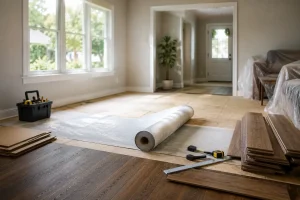
Preparing for flooring installation helps the project move more smoothly and reduces surprises.
Before installation, homeowners should think about furniture, appliances, room access, pets, children, dust control, material delivery, and daily routines.
It is also important to discuss the existing floor and subfloor. In some cases, old flooring must be removed before the true condition underneath can be evaluated.
A basic flooring preparation checklist may include:
Clear small items from the rooms
Move fragile belongings
Plan for furniture relocation
Discuss old flooring removal
Review transitions between rooms
Confirm the flooring material and layout direction
Ask about subfloor inspection
Prepare for limited room access during the project
Good preparation helps homeowners feel more confident and helps the installer focus on quality.
DIY Flooring vs Professional Flooring Installation
Some flooring products are marketed as DIY-friendly, especially click-lock vinyl and laminate. For small rooms or simple layouts, some homeowners may consider installing flooring themselves.
However, flooring installation can become complicated quickly. Doorways, stairs, transitions, uneven subfloors, moisture conditions, pattern alignment, cuts, expansion gaps, and trim details all affect the finished result.
Professional flooring installation is especially important when the project involves hardwood, tile, large areas, multiple rooms, subfloor correction, moisture concerns, or floor replacement.
A professional can help identify issues before the floor is installed, not after problems appear.
DIY may seem simple when looking at the product box. The real challenge is making the floor perform correctly in the actual home.
Flooring Maintenance Basics
Every floor needs maintenance, but different materials require different care.
Hardwood floors should be protected from excess water, harsh cleaners, and uncontrolled humidity. LVP and laminate should be cleaned according to product guidelines. Tile floors need proper grout care and regular cleaning.
General flooring maintenance tips include:
Clean spills quickly
Use mats near entryways
Avoid harsh cleaning chemicals
Use furniture pads
Keep pet nails trimmed
Control indoor humidity when needed
Sweep or vacuum regularly
Follow the manufacturer’s care instructions
Maintenance does not have to be complicated. The goal is to prevent small daily wear from becoming long-term damage.
Best Flooring Choices by Homeowner Goal
Different homeowners have different priorities. Some want luxury. Some want durability. Some want easy cleaning. Some want a material that works well for kids, pets, and busy routines.
| Homeowner Goal | Flooring Options to Consider |
|---|---|
| Natural beauty | Hardwood, engineered hardwood |
| Water resistance | Luxury vinyl plank, ceramic tile |
| Scratch resistance | Laminate, LVP, certain tile |
| Easy maintenance | LVP, tile, laminate |
| Long-term restoration potential | Hardwood |
| High-traffic durability | LVP, tile, commercial-grade options |
| Warm visual style | Hardwood, wood-look LVP, laminate |
| Basement compatibility | LVP, tile, moisture-aware systems |
The best choice depends on the room and the homeowner’s expectations. A flooring material should support the lifestyle, not fight against it.
Why a Local Flooring Contractor Matters
A local flooring contractor understands more than flooring products. They understand homes in the area, common property conditions, seasonal humidity, regional remodeling styles, and the types of flooring issues homeowners often face.
For a company like Obsidian Flooring LLC, serving Royersford and the surrounding 100-mile area, flooring work is connected to real homes, real rooms, and real long-term use.
Local knowledge matters when evaluating subfloors, recommending materials, planning installation, and helping homeowners avoid choices that may not work well in their environment.
When choosing a flooring company, homeowners should look for clear communication, service knowledge, installation experience, and the ability to explain options in a practical way.
You can learn more about professional flooring services from Obsidian Flooring LLC.
Questions to Ask Before Choosing Flooring
Before selecting a flooring material, homeowners should ask practical questions. These questions help narrow the options and avoid mismatched materials.
| Question | Why It Matters |
|---|---|
| What room is the flooring for? | Different rooms have different needs |
| Is the area exposed to moisture? | Moisture affects material choice |
| How much traffic does the room get? | High-traffic areas need stronger surfaces |
| Are there pets or children in the home? | Scratch resistance and cleaning matter |
| What is under the existing floor? | Subfloor condition affects performance |
| Is the goal repair, refinishing, or replacement? | The right solution depends on floor condition |
| How much maintenance is acceptable? | Some materials need more care than others |
| Should flooring match other rooms? | Design flow affects the whole home |
These questions help turn a broad flooring search into a clear project plan.
Flooring Terms Homeowners Should Know
Flooring has its own vocabulary. Knowing a few basic terms can make conversations with contractors easier.
| Term | Meaning |
|---|---|
| Subfloor | The structural surface beneath finished flooring |
| Underlayment | A layer between the subfloor and finished floor |
| Wear Layer | Protective surface layer on vinyl or laminate |
| Expansion Gap | Space left for flooring movement |
| Transition Strip | Piece used where two flooring types meet |
| Refinishing | Sanding and restoring existing hardwood |
| Floating Floor | Floor that rests over the subfloor without nails or glue |
| Glue-Down Floor | Floor attached with adhesive |
| Nail-Down Floor | Hardwood fastened to a wood subfloor |
| Moisture Barrier | Material used to help manage moisture exposure |
Understanding these terms helps homeowners make more informed decisions.
Final Thoughts on Choosing Flooring in 2026
The best flooring choice is not always the most popular product or the newest trend. It is the flooring that fits the room, the subfloor, the household, and the long-term use of the space.
Hardwood, luxury vinyl plank, laminate, ceramic tile, floor repair, floor replacement, subfloor preparation, and hardwood refinishing all have a place in a complete flooring plan.
A smart flooring decision begins with understanding the home. What room is being updated? How much moisture is present? How much traffic does the floor receive? Is the existing subfloor stable? Does the homeowner want durability, warmth, easy cleaning, or long-term restoration potential?
When those questions are answered clearly, choosing the right flooring becomes much easier.
For homeowners planning a flooring project in Royersford or nearby areas, Obsidian Flooring LLC can help evaluate the space, explain material options, and guide the next step.
To discuss your flooring project, call (619) 361-7978 or visit the contact page.
Quick Flooring FAQs
What is the best flooring for most homes?
There is no single best flooring for every home. Luxury vinyl plank, hardwood, laminate, and tile can all be good options depending on the room, traffic, moisture, and maintenance expectations.
What flooring is best for kitchens?
Kitchens usually need flooring that handles spills, cleaning, and daily traffic. LVP, ceramic tile, and some engineered hardwood options are commonly considered.
What flooring is best for bathrooms?
Bathrooms need moisture-resistant flooring. Ceramic tile and waterproof vinyl are common choices because they perform well in wet areas when installed correctly.
Can hardwood floors be refinished?
Many hardwood floors can be refinished, but it depends on the thickness, condition, and type of flooring. Solid hardwood usually offers more refinishing potential than some engineered hardwood products.
Why is subfloor preparation important?
Subfloor preparation helps create a stable, clean, level surface for the finished floor. Without it, flooring may shift, crack, squeak, separate, or wear unevenly.
Is LVP better than laminate?
LVP is often better for moisture-prone areas, while laminate can be a strong option for scratch resistance and wood-look design. The better choice depends on the room and product quality.
When should floors be replaced instead of repaired?
Replacement may be better when damage is widespread, the flooring is outdated, moisture problems are present, or repairs would not solve the larger issue.
What should homeowners do before installing new flooring?
Homeowners should clear rooms, plan for furniture, discuss old flooring removal, inspect the subfloor, review material options, and confirm installation details before work begins.